
“Drawn to Japanese Culture,” “Real Hardware”: Why Two American Engineers Chose ElevationSpace
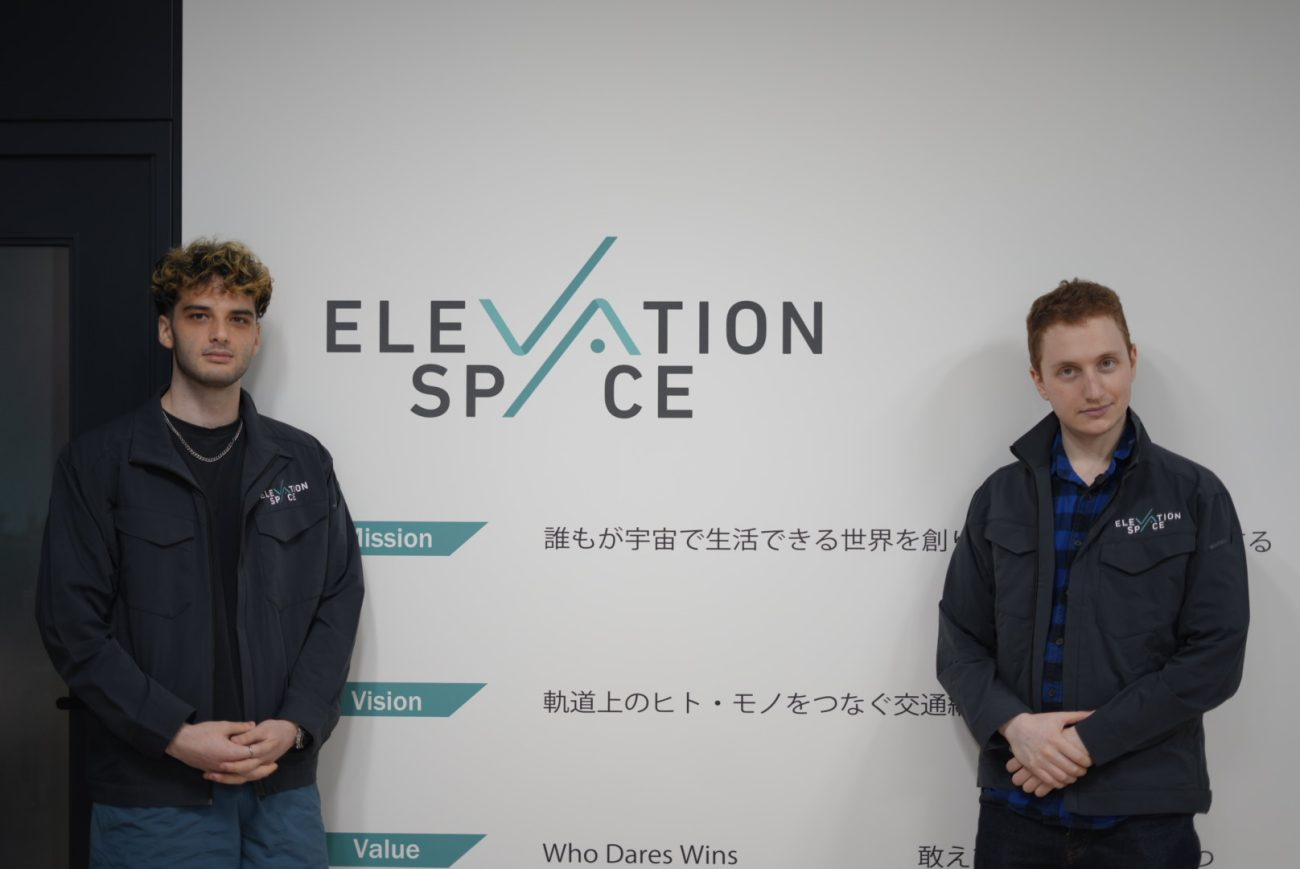
Cody, who has worked in Japan since graduating from university, and Calvin, who came to Japan after building a career at NASA, are now both thriving at ElevationSpace, a Japanese company developing atmospheric re-entry spacecraft. We asked them why they chose Japan, what their work at ElevationSpace actually looks like, and what they hope for going forward.
This is the second installment of “Global Talents in Japan’s Space Companies,” an interview series spotlighting international professionals working at Japanese space companies. This time we spoke with Cody and Calvin of ElevationSpace Inc., a space startup specializing in atmospheric re-entry technology.
Japan’s space industry is expanding rapidly across both the public and private sectors, yet a shortage of space talent has emerged as a key challenge. At the same time, the industry’s growth is not confined to Japan: as international competition intensifies, collaboration across borders matters more than ever. Against this backdrop, many professionals from overseas, having weighed countless countries and companies, have chosen to work in Japan and are now thriving at Japanese companies.
In the “Global Talents” series, we ask how Japan’s space industry and Japanese companies look from the perspective of people from overseas, and how they feel after actually working here.
We hope this article helps readers outside Japan picture “working in Japan’s space business” as a concrete career option.
Cody is from California. He studied aerospace engineering at UC Davis (University of California, Davis) and came to Japan right after graduating; he is now in his fourth year here. He is currently responsible for satellite orbit design and atmospheric re-entry simulation.
Calvin is from New Jersey. He studied mechanical engineering at Rutgers University and spent three and a half years working on satellite operations at NASA’s Goddard Space Flight Center before moving to Japan. He now works in Mission
Integration, handling the interface between the company’s satellite and the launch provider it has contracted with.
The two followed completely different paths, yet they share common ground in what brought them to ElevationSpace. In a company where most employees are Japanese and meetings are held mainly in Japanese, what roles do they play, and how are they making their mark?
This article takes a deep dive.
(1) "As an Adventure, I Thought It Would Be Really Interesting": How Two Engineers from California and New Jersey Found Their Way to Japan
Sorabatake: Thank you for joining us today. Let’s start with Cody. Where are you from, and what did you study at university?
Cody:I’m from California. I went to UC Davis, also in California, where I majored in aerospace engineering. I didn’t go to graduate school—after graduating, I came straight to Japan and started working.
Sorabatake:How much did you know about Japan before you came?
Cody:Honestly, not much, other than that I liked Japanese games (he says he’s a particular fan of Dark Souls). But Japanese culture in general is popular in the US, and I liked the food, too.
Sorabatake:Did you have options other than Japan?
Cody:Going to graduate school in Germany was also an option.
Sorabatake:What was the deciding factor in choosing Japan?
Cody: I really wanted to go to a country where I didn’t know the language and experience a completely different culture. From that angle, Japan is very far from the US, its culture is the opposite in many ways, and I didn’t know much about it. So I thought, “As an adventure, this would be really interesting,” and decided to go to Japan.
Sorabatake:Finding something interesting precisely because you don’t know it—that’s the mindset of a genuinely curious person. How about you, Calvin?
Calvin: I’m from the opposite side of the US from Cody—New Jersey. It’s close to New York; you can get there in an hour by train. I graduated from Rutgers, a university in New Jersey, where I majored in mechanical engineering.
Sorabatake:Did you study aerospace as well?
Calvin:Yes. I took several aerospace classes, and I also gained aerospace experience through internships.
Sorabatake: After graduating, did you come straight to Japan like Cody?
Calvin:No, I worked in the US for three and a half years after graduating.
Sorabatake:Was your employer in the US a space company?
Calvin:It was NASA—Goddard Space Flight Center in Maryland. When I joined, the mission had already been defined, and my main work was operating the satellite and troubleshooting when anomalies occurred. So I had no involvement in mission design or satellite design, and I came to Japan because I wanted that challenge.
Sorabatake:When you were looking for your next job, did you consider countries other than Japan?
Calvin:Only Japan. As a kid I was really into Japanese games and anime, and they left a strong impression on me. I played a lot—Pokémon, Final Fantasy, and so on.
I also traveled to Japan just before the COVID-19 pandemic and had great memories of it, so I wanted to go back.
Sorabatake:Working in Japan probably brings different worries than traveling here. Weren’t you concerned?
Calvin: This is a personal story, but Masami Onoda, who was Director of JAXA’s Washington D.C. Office, was very kind to me and helped me a lot. That was one of the reasons I came to Japan. I’d love to meet again here in Japan.
Sorabatake:How did you meet?
Calvin: It’s unrelated to work, but there was a tennis group where everyone except me was Japanese, and that’s where we met. Japanese people would come to the US regularly, work together, play tennis together… It was a community I really loved, and it’s what made me want to go to Japan.
(2) How Did They Find Their First Employer—and Their Next One?
Sorabatake:How did you each find the first company you worked for in Japan?
Searching for a Japanese company from overseas doesn’t seem easy.
Cody:It was by chance. In university, I took part in a NASA-originated project to develop and design an electric aircraft (eVTOL: electric vertical take-off and landing aircraft), and my team won. So I thought an electric aircraft company might be a relatively easy way in.
There are a handful of these companies around the world, and Japan has several startups in the field. I received an offer from one of them, so I joined
Sorabatake:So you found them and applied on your own.
Cody:Right. It was a small startup that didn’t do much PR, but I happened to see a photo of their aircraft, Googled the company name, and thought, “Oh, so that’s what they do.” Their site also said “English is OK,” so I applied.
Sorabatake:How about you, Calvin?
Calvin:I used LinkedIn, and I also Googled space startups and applied directly through their websites.
Sorabatake:You both worked at other companies in Japan before moving to ElevationSpace. There are said to be around 100 space startups in Japan now. How did you search when changing jobs?
Cody:There are a lot of startups in Japan’s space sector, andalmost everyone uses recruitment agencies. If you’re interested in the space industry and want to work in it, you end up consulting agencies and job sites over and over.
Sorabatake:Which agency did you use?
Cody:Honestly, I’ve forgotten (laughs). I was contacted by so many agencies. The space job market is really active right now and growing fast, so it’s very popular.
Calvin: When changing jobs, I applied to a lot of companies. I feel I got more positive responses than when I tried to change jobs in the US.
(3) "The Interview Was Technical Questions and Dialogue, and the Culture Was a Fit": Why They Chose ElevationSpace
Sorabatake:When you were changing jobs, did you have options besides ElevationSpace?
Cody: During my job search, there were quite a few companies where, after the interview, I thought, “This might not be right.” With startups, you don’t know what the culture is like or how things work until you actually interview,which makes it hard.
Sorabatake:What did you focus on in interviews?
Cody:ElevationSpace’s interview had a lot of technical questions—technical questions plus questions about whether I’d fit the company culture. That left a good impression.
At one startup’s interview, I was asked almost no technical questions. Then you can’t tell whether the company actually has technical expertise. And if other members were hired through the same kind of interview, you start wondering what kind of people work there.
Sorabatake: So it’s unsettling to join without knowing how your own skills were evaluated, and you’d also worry about the technical level of your future colleagues.
Sorabatake:Calvin, you interviewed at various companies before joining ElevationSpace. What did you prioritize?
Calvin: I was torn between focusing on engineering work, focusing on business-side work, or doing a mix of both. I actually received an offer for a 100% satellite operations position from another company, but in the end I turned it down.
Sorabatake:So you declined, even though you could have returned to satellite operations, where you already had experience.
What was your impression of ElevationSpace’s interview?
Calvin:My first interview was in Japanese. I hadn’t had many chances to use Japanese until then, so I told them I’d do my best.
What was good about interviewing in Japanese was that the person who would become my manager could tell me directly what they were thinking, without going through an interpreter or translation.
Sorabatake: So being interviewed in Japanese actually made you feel welcomed.
ElevationSpace is a university-born startup, and its founder and CEO, Ryohei Kobayashi, has a technical background. Is working under executives with a technical background something you think about?
Cody:Looking at the US aviation industry recently, I’ve seen cases where more business people have moved into management and quality has dropped. As an engineer,I strongly want to work under someone who has engineering knowledge.
Calvin: I agree. I want the people setting the company’s direction to have engineering knowledge.
(4) "There Was No Opportunity to Launch Real Hardware": The Strength Both Named—ElevationSpace Builds Real Hardware
Sorabatake:Of all the space startups out there, what made ElevationSpace appealing?
Cody:For me, a key point was being able to work on something real, sooner.
My previous employer was a space transportation company. The technology was fascinating as a dream,but (unless enough funding could be raised) there might never be an opportunity to build real hardware and actually launch it. With satellites, something you helped develop can be launched much sooner. So when I thought about which satellite company had an interesting project, I wanted to join ElevationSpace, which is developing re-entry technology.
Sorabatake:Calvin, was your deciding factor similar?
Calvin: Like Cody, building real hardware—having real hardware—was an important point. Also, at NASA I was operating an already-defined mission and couldn’t be involved in design, but at ElevationSpace I can also work on the design for integration with the rocket. Being able to gain that kind of experience made it a really good choice.
Sorabatake:Was there a moment when you really felt, “There’s real hardware here”?
Cody: When I visited our factory in Minamisoma, Fukushima, I was genuinely moved: “Wow, there’s actual hardware!”
Calvin: I was impressed when I saw the real thing at the factory, too.
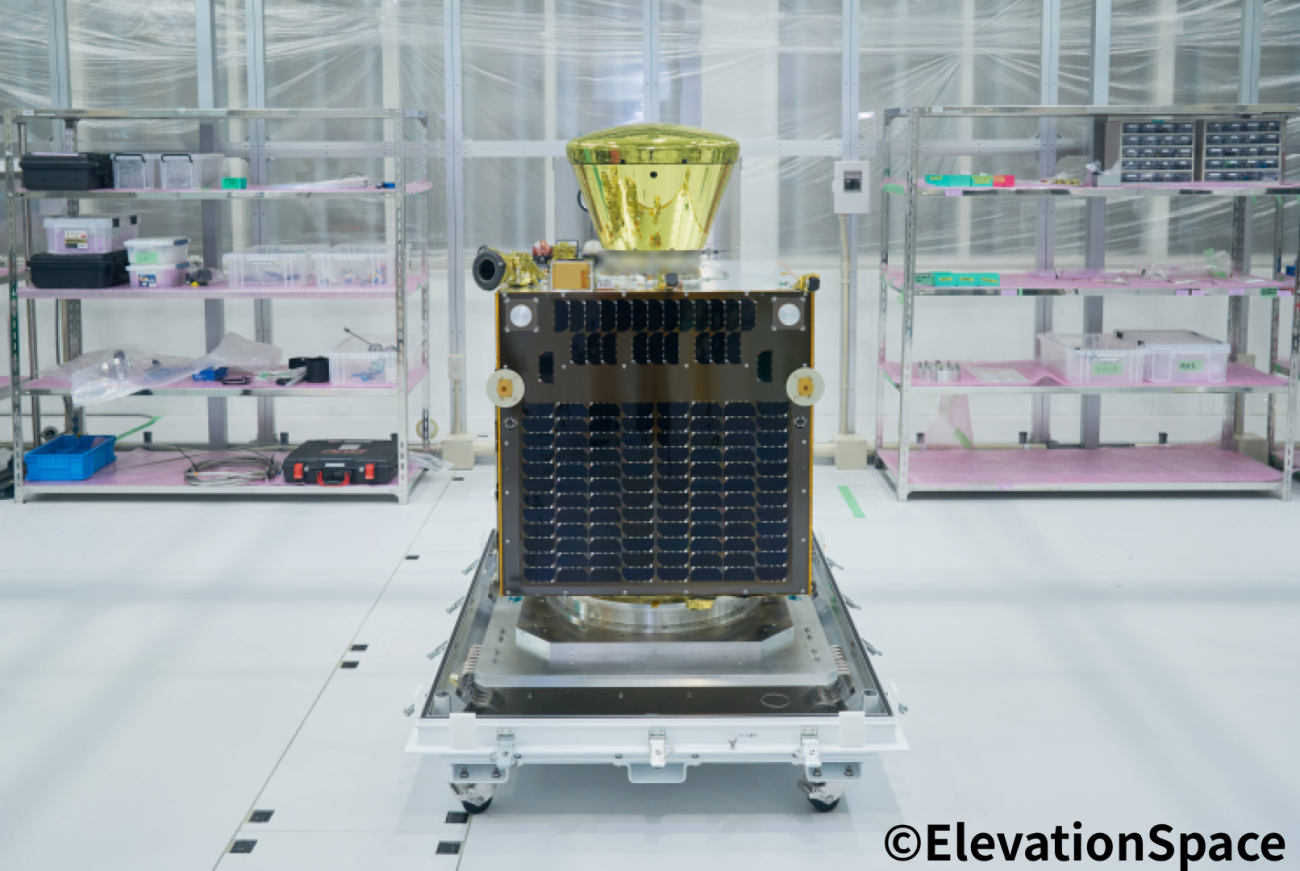
Calvin:At my previous company,I never got to see anything fully assembled.
Cody: There’s a term, “vaporware”—where an overview and CG renderings are announced, but development struggles to move forward because enough funding isn’t raised. I think that tendency is especially strong among space companies, which need large budgets.
Sorabatake: In that respect, did having a CEO with a technical background like Kobayashi help hardware development move faster?
Cody: It was fast. I don’t know the details of the company’s founding days, but I think hardware development started at quite an early stage.
(5) How the Space Industry Looks Different in the US and Japan
Sorabatake:Have you noticed areas where Japan is strong?
Cody:My image of Japan’s strength is reliability. I have a strong impression that Japan develops things carefully and steadily.
Sorabatake: Calvin, what’s your impression of Japan’s space industry?
Calvin: Like Cody, when it comes to manufacturing, I see very high reliability—not just in space, but in industries like automotive.
As for space, I started my career in the US, and back then the space industry was being energized by wealthy individuals and space-focused funds backing startups.
In Japan that impression shifts a bit: large organizations such as JAXA and Mitsubishi Heavy Industries are strong. Space startups have emerged and are trying to catch up, and I think that, given time, they can definitely catch up.
Sorabatake:So in terms of technical capability, catching up seems possible given time. What do you see as the key?
Calvin:For example, Fujita at ElevationSpace previously worked at JAXA on the asteroid explorers Hayabusa and Hayabusa2 and on the re-entry module of the Unmanned Space Experiment Recovery System (USERS/REM), and led technology development for Entry, Descent, Landing and Recovery (EDL&R).
It’s important for startups to draw more on the know-how of outstanding people like him.
Sorabatake:Under the Space Strategy Fund, ElevationSpace has been selected for the technology development theme “High-Frequency Cargo Recovery System Technology.” That’s obviously important financially, and this conversation reminded me how important support from JAXA is as well.
(6) "This Person Seriously Knows His Stuff": Carrying Forward the Technology Japan Has Built Up
Sorabatake:Now let’s turn to your actual work. Cody, I understand your main work is orbit calculation and attitude control during re-entry.
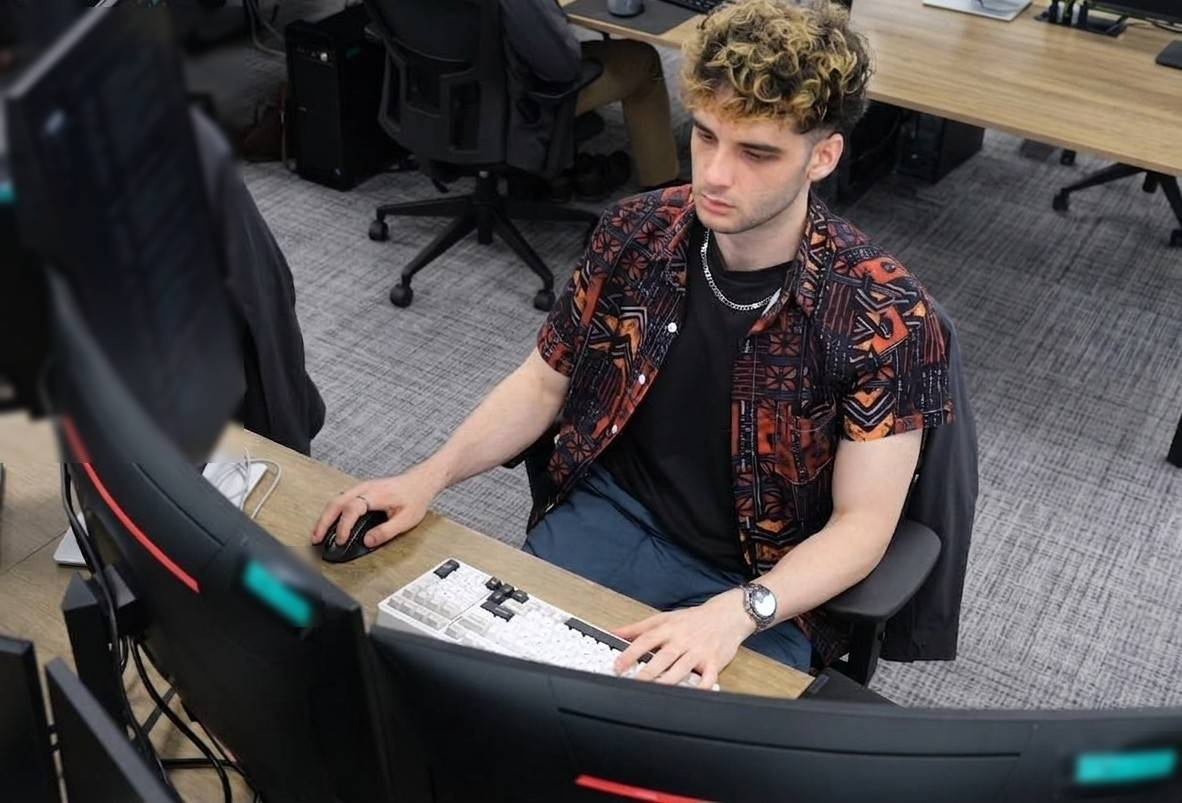
Cody:That’s right. I handle orbit design and development, as well as simulation. As part of orbit design, I also calculate the re-entry capsule’s attitude and stability. On top of that, I’m developing the guidance and control software.
Sorabatake:Do you also determine the attitude control accuracy the simulation requires, and then ask the hardware side to “procure or develop components with this level of accuracy”?
Cody:For example, I can run analyses showing that a certain error in the mounting angle of the RCS (Reaction Control System) thrusters is acceptable, but that a larger error could lead to a specific concern.
Sorabatake:So in a sense, you’re involved in the design itself. Is AOBA your first re-entry simulation as well?
Cody:Yes. On top of that, I’m trying to make what I developed for AOBA usable across all of our future satellites. My main focus is re-entry analysis—arguably ElevationSpace’s key technology—so it’s a very important mission.
Sorabatake: I believe this is a first for a private company in Japan. Are you building up the know-how yourself, or are there people or papers you can learn from?
Cody:There are some papers, but few that fit exactly, so a lot of it was searching on my own.
I also asked our CTO, Fujita, lots of questions and learned from him, which let me acquire the knowledge I needed and move the work forward.
Sorabatake:Learning directly from someone who developed Hayabusa’s re-entry capsule—that’s enviable. Is there a conversation that stuck with you?
Cody:What stuck with me most was when we were talking about the re-entry simulator and he explained the technical details of how to re-enter while staying stable. I thought, “Wow, this person seriously knows his stuff.” It made me feel strongly, “I’m glad I joined—this is a chance to learn a lot.”
Sorabatake:Do you speak with Fujita in Japanese?
Cody: Fujita’s English is excellent, but I always make a point of speaking Japanese.
Sorabatake: How often do you talk?
Cody:Once or twice a week. Early on, right after I joined ElevationSpace, our conversations were about my task of building the re-entry simulator. Now that the re-entry analysis methods and the simulation tool are nearly complete, we talk more about how to use the tool and about analysis results.
Sorabatake:Simulation results will be key figures for checking whether the actual mission is “coming in as expected.”
Cody: This may be the hardest part of the simulator:we haven’t actually done a re-entry yet, so there’s no data to validate against. For now, all we can do is develop it as thoroughly as possible.
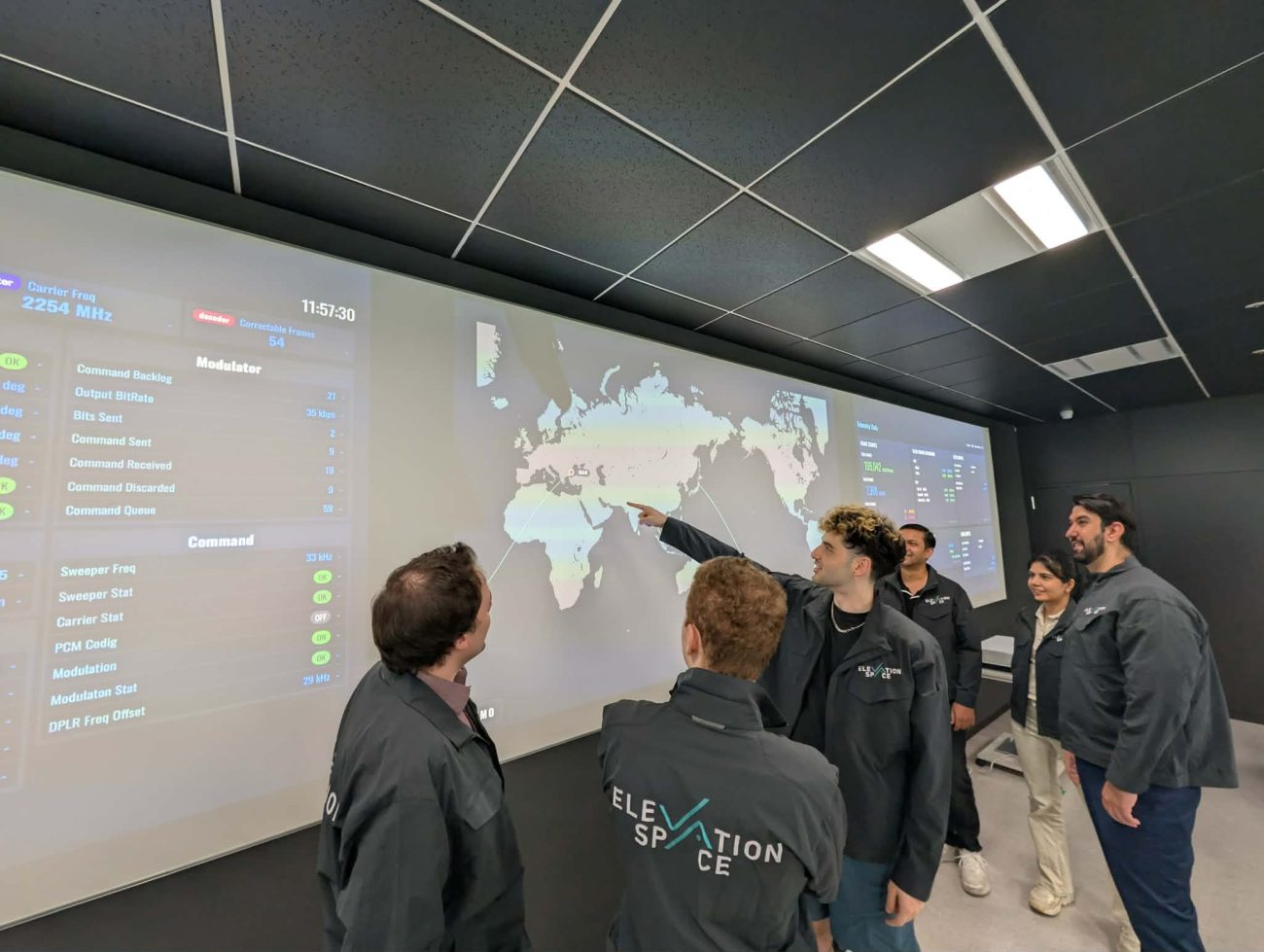
Sorabatake:There’s inevitably pressure to “succeed every single time,” but I also think it’s important for companies taking on space ventures to accumulate data from failures. As a developer, what would be your ideal frequency of attempts?
Cody:The more the better. Once a week would be great. But that kind of frequency actually depends more on the rocket side than the satellite side.
Sorabatake:Thank you. Launch rates are gradually increasing overseas, so hopefully demand for ElevationSpace’s satellites—and launch frequency—will keep growing.
Next, Calvin, please tell us about your work. I understand you handle integrating the satellite with the rocket. For small CubeSats, there are companies likeExolaunchthat will handle coordination with the launch provider as long as you deliver a satellite built to a set specification. In AOBA’s case, do you work things out in dialogue with the rocket company?
Calvin:AOBA is larger than a CubeSat, so it needs a larger separation system. Even with an intermediary like Exolaunch, several things require coordination, and I’m the one handling that.
Sorabatake:What’s the difficult part? Is coordination needed precisely because there’s no fixed rule telling the satellite designers “design it this way”?
Calvin:Yes. To mount the separation system properly, the interface pattern at the base of the satellite has to match the separation system.
Sorabatake: What’s taking up most of your time right now?
Calvin:It depends on the timeline, but right now I also need to coordinate the satellite we’ll launch after AOBA in parallel, and aligning the two is one of the challenges.
Also, the main thing I’m coordinating right now isrange safety.Under the launch provider’s range safety requirements, when we hand over the satellite we have to thoroughly confirm that it’s safe and won’t cause an accident, so I’m coordinating both internally and externally.
Sorabatake:Range safety—meaning things like whether the propellant AOBA carries is toxic?
Calvin: Exactly—what kind of propellant it carries, whether there’s any risk of pyrotechnics accidentally firing, and so on.
Beyond that, I’m working with the rocket company on launch preparations and on things like where the satellite will be mounted during integration.
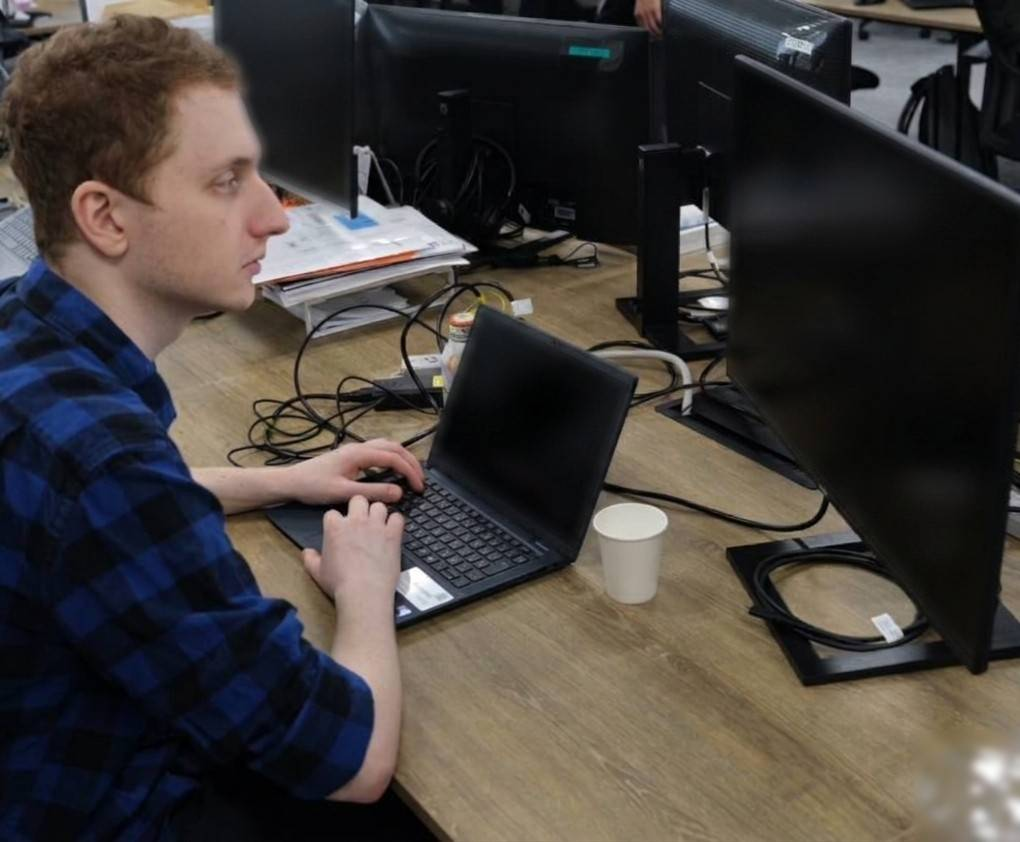
Sorabatake:That’s a much broader scope than I expected. Even “external coordination grounded in a technical understanding of mounting a satellite on a rocket” involves many stakeholders and many checkpoints.
How large is your team?
Calvin:The Mission Integration team has three people, including me.One coordinates with our satellite’s customers, and my manager, Hoshikawa, handles external interfaces in general, covering a wide range of work from both business development and technical development perspectives.
Sorabatake: In the space industry a single project often takes five or ten years, so one year since joining is still short. Even so, has there been a moment when you thought, “I’m glad I got to do this work”?
Cody:AOBA is scheduled to launch soon, and I joined during a really critical period. Getting the chance to do the re-entry simulation wasperfect timing, and if AOBA succeeds, I think I’ll be really proud.
Calvin:For me, about three months after joining, we did a fit check with the separation system company, and it was a success. I wrote the plan together with colleagues, and I was really happy that we’d coordinated that much in just three months.
(7) "Lots of Work You Can Own": How Quickly They Were Trusted, and the Reality of a Japanese-Speaking Workplace
Sorabatake:What makes you each glad you moved to ElevationSpace?
Cody:The company culture is great. There’s freedom in a good sense, and you get the chance to work on the projects you want to be part of. At the same time, projects are moving forward solidly, and I think it’s becoming a company that will succeed.
Sorabatake:By freedom, do you mean being entrusted with simulation work? Or that your proposals are readily accepted?
Cody:Both. For example, people trust my simulation development and analysis results. And if I find a problem and make a proposal, they seriously think it through with me. It’s a culture where people who actively participate are given responsibility.
Calvin: I also feel I’m entrusted with a lot of work, in a good way.
I’m the direct point of contact for the rocket company, the separation system company, the launch site operator, and others. My Japanese isn’t that great, so I’m happy they trust me this much.
Sorabatake: Did the scope of what you were entrusted with grow gradually?
Calvin: I think I was given responsibility quite quickly. The job before my previous one was 100% technical, and I have less than two years of business-side experience. At first my manager would tell me things like, “Please coordinate it this way,” but lately I feel I’m trusted to handle things on my own unless I go to my manager with something I don’t understand.
Sorabatake: Cody mentioned being proactive. What do you keep in mind in order to be entrusted with work?
Cody:My work is technical, sofirst I need to show that my results and analysis methods are correct. I want people to see me as someone reliable.
For example, comparing my analysis against results in papers, or showing that I can verify the equations I’m using—if you can’t show that, you won’t be trusted with the work. That’s the fundamental premise.
And when I’m proposing a solution to a problem, I need evidence that shows my idea is a good one.
Sorabatake:Did you show that kind of analysis in your first month or two?
Cody: Of course, in the first month or two it’s hard to demonstrate your ability. I’m still working through a lot, but I think the moment I showed what I could do was when I was building the re-entry simulator and, while talking with Fujita, pointed things out—”that’s not right”—and asked questions. In the end,if you don’t actively participate, you won’t do good work. If you just wait for your manager to tell you “do this,” you’ll never be entrusted with anything.
Sorabatake:Calvin, what do you think you were able to show your manager, Hoshikawa?
Calvin:Maybe my English. For example, in a meeting with the rocket company,about two weeks after I joined, I was asked to take charge of half of the meeting.
I had experience with environmental conditions and launch timelines from before I joined ElevationSpace, and that was helpful.
Sorabatake: I’ve heard internal communication is basically in Japanese. Does language make your work easier or harder?
Cody: I’m used to working in Japanese, so personally I don’t feel a barrier. But I think other international members sometimes do.
Calvin:I still find it difficult sometimes. When I’m given instructions like “we want to do this,” or next actions, if I don’t clearly understand the intent,、 my output may end up being something different.
So I make a point of asking lots of questions—”Excuse me, is this what you meant?”—and I think that’s really important.
Sorabatake: Is it a culture where, if you ask, you get a proper answer?
Calvin:Hoshikawa is a really nice person—it’s like, “Oh, this is what I meant.”I always get a kind answer.
Sorabatake: In the first installment of this series, at Synspective, which has many international employees, we heard about everyone going out to an Indonesian restaurant together. Is there time to learn about each other’s cultures?
Cody:There’s a “Free English Club”—about an hour once a week where people interested in English conversation can come and talk.
(8) "If You Make the Effort, the People Around You Will Too": A Message to Those Who Want to Work at a Japanese Space Company
Sorabatake:How do you hope ElevationSpace as a company will grow?
Cody: I want us to build something that can compete with SpaceX’s Starship. And I want flight frequency to increase.
I’d also like to try developing a crewed capsule. I want us to be the company that breaks the current situation where SpaceX is the only one really making progress.
Calvin:Cody’s points about company growth are important. Beyond that, I hope more people with knowledge and experience join the company so we can take on bigger projects.
From a different angle, it might be good to do work beyond satellites—for example, developing and supplying components. If you look at Rocket Lab, they’re also developing satellite buses and have a diverse portfolio rather than depending on a single business.
Sorabatake:And what roles would each of you ideally like to play?
Cody: Personally, rather than going into management, I want to keep honing my skillsas a technical professional.
Calvin:That’s a hard one. I’m still exploring—I think about it every day—but right now I don’t have a clear answer about what I want to become.
Sorabatake:Do you feel you can grow by being at ElevationSpace?
Calvin: I do. In my case, much of my growth has been outside the technical side. Japanese, of course, but also repeatedly looking at the big picture of a project and deciding the next action myself—I can really feel myself growing through that.
Cody: Yes—the fact that we’re turning the business vision into reality, and that I can feel myself growing, is why I chose ElevationSpace and why I keep working here.
Sorabatake: Finally, could you share a message for people overseas who are thinking about working in Japan?
Cody:You should start studying Japanese.Not just for work—if you want to live in Japan, it makes your life easier. And it’s fun.
Sorabatake:Where does the fun come from?
Cody: It’s fun overall. Life is easy, and the food is delicious. For me, just living in a country that isn’t where I’m from makes every day feel interesting.
That said, I’ve lived here four years now, so that feeling has faded quite a bit—but I still get a kick out of starting to speak Japanese and surprising people (laughs).
Calvin:Yes.First, find a company that builds real hardware. For example, ElevationSpace.
And as Cody said,you have to study Japanese. If you make the effort, the people around you will make the effort too.
We’d love for you to come to a Japanese company—to ElevationSpace.
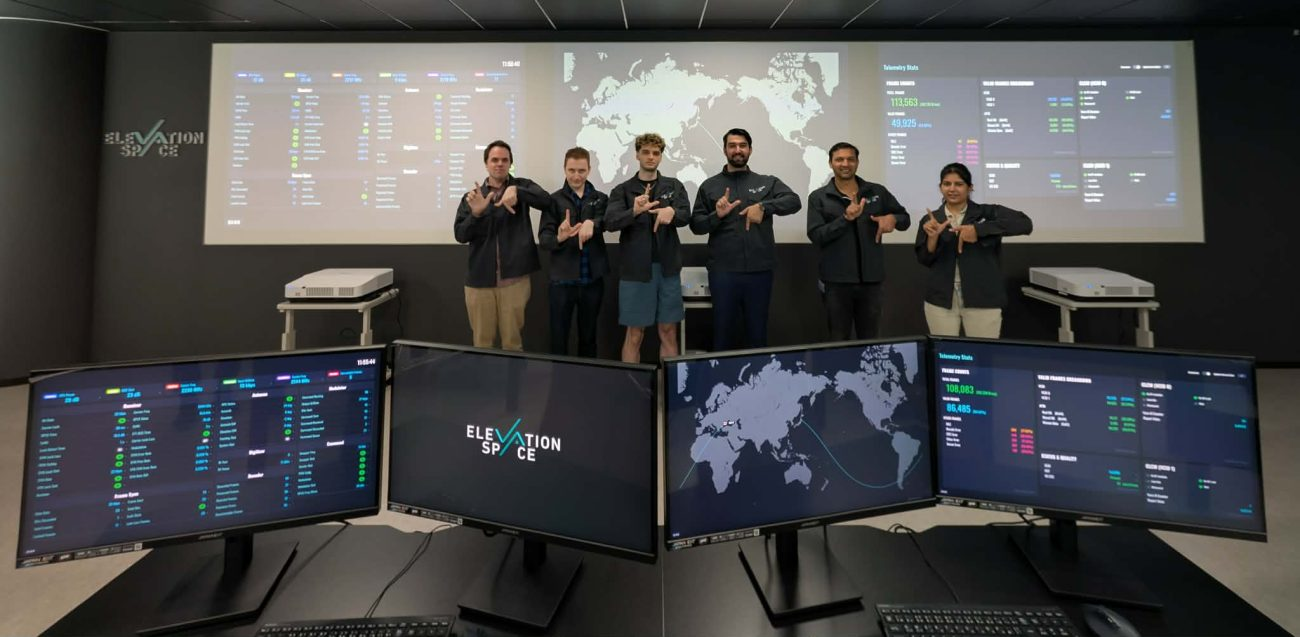
(9) Careers at ElevationSpace
ElevationSpace is currently hiring for several positions. Be sure to check out itscareers page